SEZs & export production
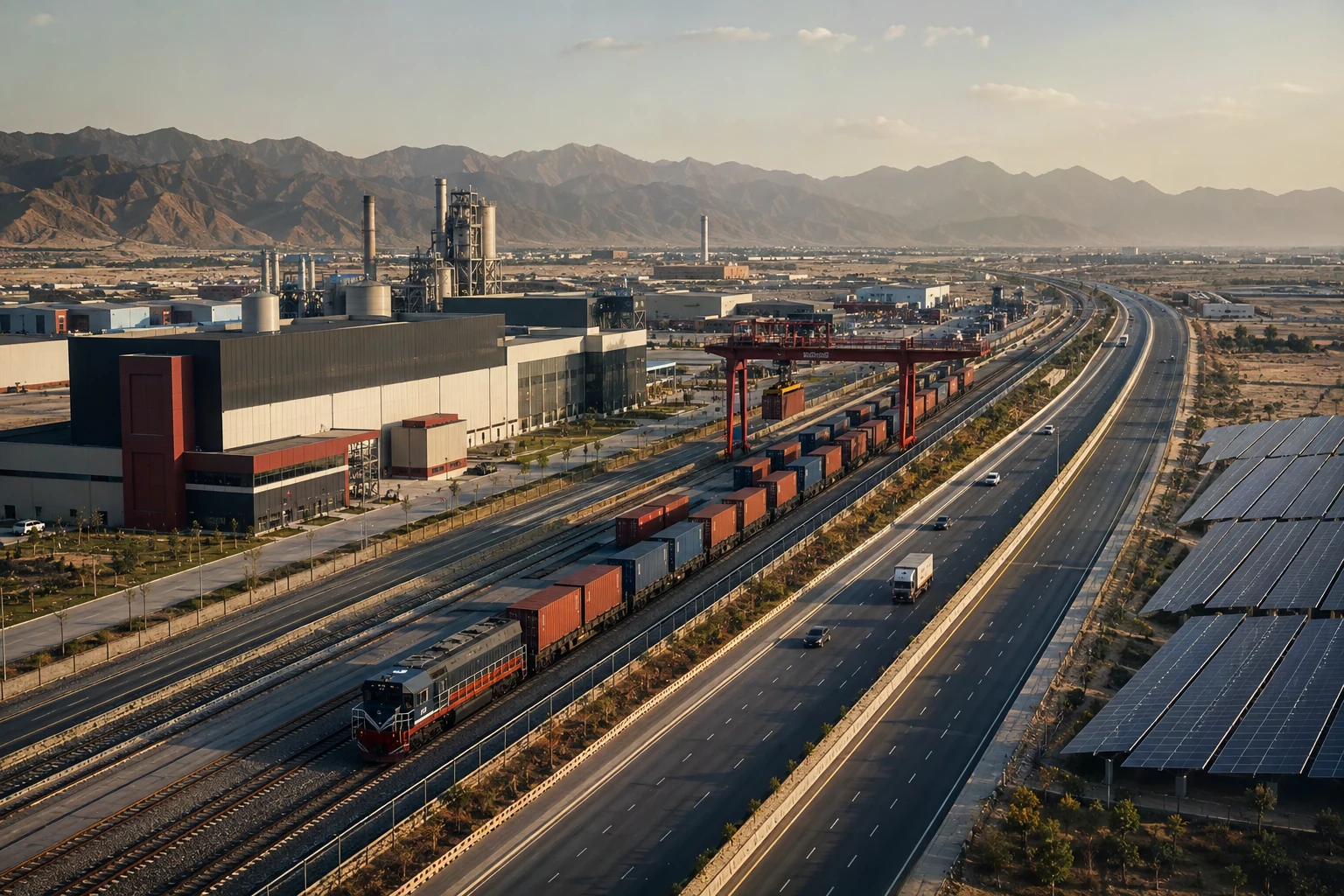
Industrial cooperation, supply chains, business-to-business investment, and market-led participation in qualified Special Economic Zones.
The second chapter · CPEC 2.0
The first phase laid physical foundations. The next is about putting them to work through enterprise, exports, technology, sustainable growth, and livelihoods.
Fivedevelopment corridors
Onemaritime gateway
Nextproductive phase
The phase shift
CPEC 2.0 is the shorthand for a higher-quality development phase: moving beyond the delivery of roads, power, and early port infrastructure toward industrial cooperation, productive capacity, trade, and private-sector participation.
It is not a single fixed project list. Official Pakistan-China statements describe an evolving programme organized around thematic corridors and delivered through sector-specific initiatives, investments, and enabling infrastructure.
The official framework
Pakistan and China describe CPEC’s upgraded phase through five connected lenses. Together, they turn physical connectivity into a broader economic programme.
Industrial capacity, export-oriented activity, investment, and stronger value chains built around the corridor’s physical base.
People-centered cooperation in agriculture, skills, health, education, and projects designed for visible local benefit.
Science, technology, information systems, digital capability, research, and the transfer of productive know-how.
Cleaner growth, renewable energy, climate resilience, and more sustainable approaches to infrastructure and production.
Trade, logistics, regional access, and cross-border flows supported by ports, roads, rail, and year-round links.
The maritime gateway
06
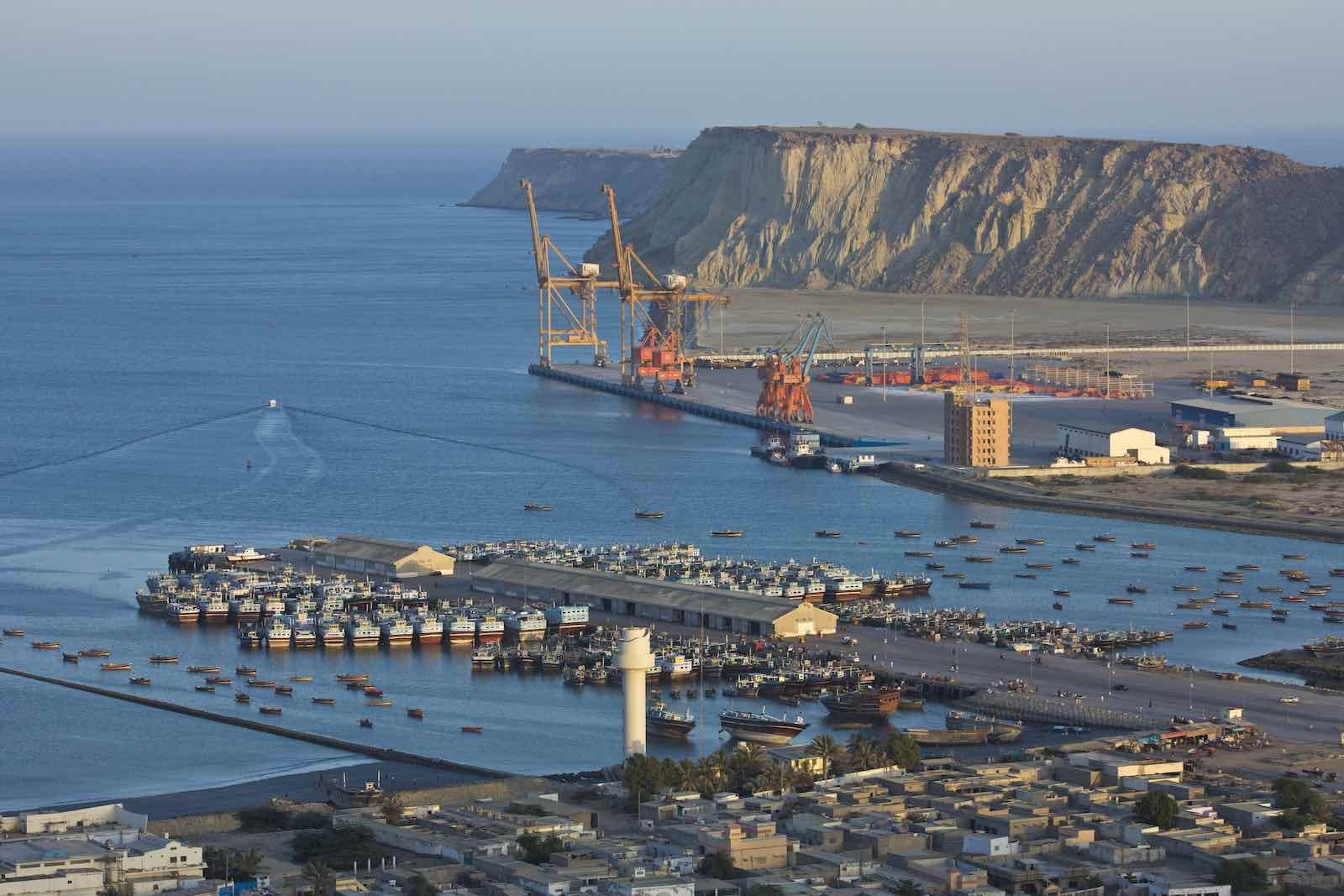
Official statements continue to identify Gwadar Port as a central pillar of CPEC and a future multimodal logistics hub. The agenda now extends beyond port construction to operation, cargo, auxiliary infrastructure, industrial activity, and links with the wider economy.
The New Gwadar International Airport adds another layer of connectivity. The test of CPEC 2.0 is how these assets translate into functioning trade, industry, employment, and local benefit.
The delivery agenda
The current programme spans productive sectors and the infrastructure that lets them operate. Status varies: some workstreams are active, some are being expanded, and others remain subject to planning, financing, and implementation.
Industrial cooperation, supply chains, business-to-business investment, and market-led participation in qualified Special Economic Zones.
Mechanization, cultivation, value chains, technical exchange, research, and resilient agricultural capacity.
Geological cooperation, responsible investment, industrial parks, and downstream mineral processing.
Information technology, science, skills, innovation, and technology transfer as productive infrastructure.
Phased work around ML-1, the Karakoram Highway realignment, and border infrastructure that supports trade and mobility.
Practical energy cooperation, power-system efficiency, renewable options, climate response, and lower-carbon development.
From policy to participation
CPEC.Business is PIDW’s dedicated investor-market channel: a governed route through formation, permissions, contracts, finance, project delivery, and local advisory support, with focused capability for Chinese projects.
Complexity follows scale
Cross-border capital, EPC contracts, regulatory approvals, joint ventures, technical performance, delay, payment, and change all create points of friction. The CPEC Roster is PIDW’s route to vetted resolvers and advisors who understand those interfaces.
Research notes
This page uses the current bilateral framework and distinguishes established assets from initiatives still being planned or financed.